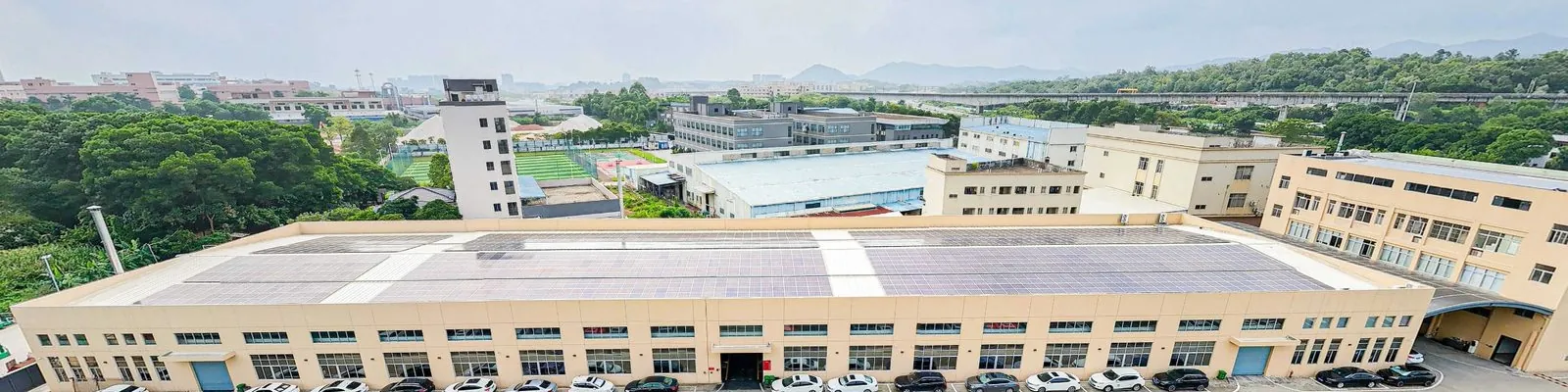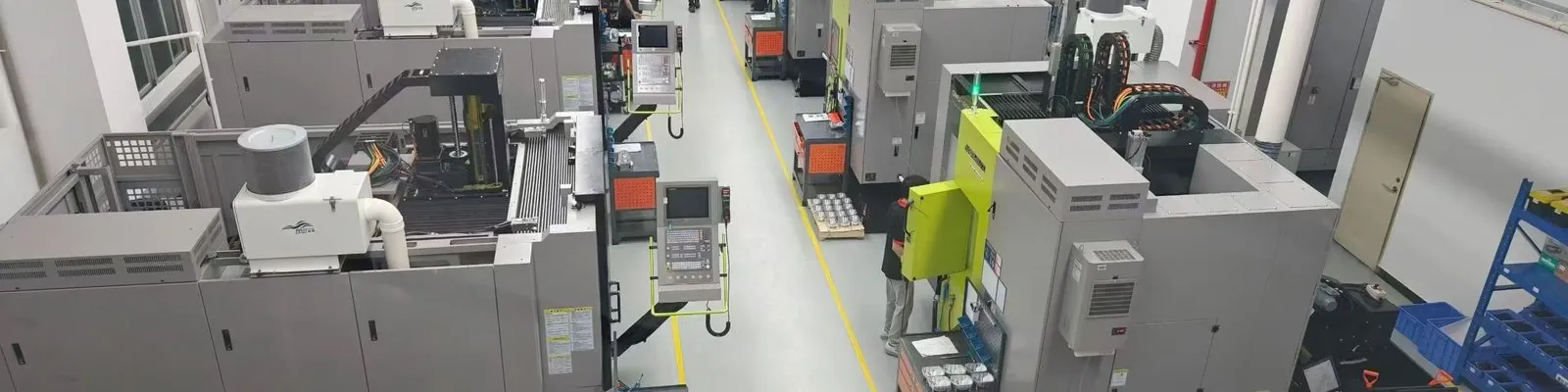
대부분의 가공 공급업체는 다음을 제공합니다. DFM 검토. 품질은 엄청나게 다양하며 그 차이는 단가와 첫 번째 제품 결과에 나타납니다.
정말 진짜야 DFM 리뷰에는 다음이 포함됩니다
일반적인 조언이 아닌 기능 수준의 관찰입니다. "포켓 코너 반경 R1에는 여러 패스가 있는 작은 커터가 필요합니다. R3을 사용하면 더 큰 공구를 사용하고 사이클 시간을 줄일 수 있습니다."가 유용합니다. "반경 증가를 고려하십시오"는 그렇지 않습니다.
결과가 첨부된 대안. 좋은 리뷰는 옵션과 절충안을 제공하므로 결정할 수 있습니다. 디자인이 자동으로 변경되지는 않습니다.
의도에 대한 질문입니다. 라인 중 가장 가치 있는 라인 DFM 보고서는 종종 질문입니다. 이 표면이 무엇과 짝을 이루는지, 이 구멍이 틈새인지 위치 지정 기능인지, 이 공차가 계산에서 나오는지 아니면 습관에서 나오는지 등입니다.
검사하기 어려운 사항에 대한 참고 사항입니다. 표준 장비로 측정할 수 없는 기능은 나중에 논쟁의 원인이 됩니다. 조기에 신고하는 것은 견적을 지나친 생각을 한 공급업체의 표시입니다.
일반적인 발견
실제로 가공 부품에 대한 대부분의 비용 절감은 짧은 목록에서 비롯됩니다.
- 효율적인 커터에 비해 내부 코너 반경이 너무 작음
- 느리고 조심스러운 패스가 필요한 얇은 벽의 깊은 포켓
- 중요한 기능이 아닌 전역적으로 적용되는 공차
- 필요한 것보다 더 깊게 지정된 스레드
- 결코 볼 수 없는 면에 표면 마감이 적용되었습니다.
- 재설계를 통해 5개 면의 기능이 3개 면으로 변경되었습니다.
위험 신호
질문이 없는 인용문입니다. 실제 형상이 있는 모든 부분에서 파일을 연 엔지니어는 적어도 하나의 질문을 갖게 됩니다.
갈등이 있는 그림에 "문제 없습니다. 우리는 해낼 수 있습니다." 내부 모순이 있는 그림이 일반적입니다. 이를 키우지 않는 공급업체는 해당 내용을 읽지 않았거나 자신의 방식으로 해석할 의도가 있는 것입니다.
DFM 허용 오차 완화를 제안하는 피드백만 제공됩니다. 이는 엔지니어링 문제가 아니라 비용 문제입니다. 레알 DFM 또한 귀하가 지정되지 않은 위치를 알려줍니다.
더 많은 것을 얻는 방법
그림과 함께 맥락을 보내세요. 부품이 맞는 어셈블리, 운반 하중, 작업 환경. 부품의 기능을 아는 공급업체는 형상만 보는 공급업체가 할 수 없는 변경 사항을 제안할 수 있습니다.
그리고 무엇을 바꾸고 싶은지 명시적으로 말하세요. 외부 봉투가 기존 어셈블리에 의해 고정되어 있지만 내부 기능이 열려 있는 경우 도움이 될 수 있는 부분을 검토하는 데 중점을 둡니다.
짧은 버전
A DFM 가격이 나와 있고 댓글이 없는 리뷰는 아무 것도 알려주지 않습니다. 기능 수준에서 관찰을 요청하고 관찰이 유용할 수 있는 충분한 컨텍스트를 보냅니다.