AI-server thermal components are one of our fastest-growing product lines. Liquid-cooling plates look simple — a plate with channels — but the engineering choices decide whether a rack runs stable or throttles.
Copper where it counts, aluminum where it can
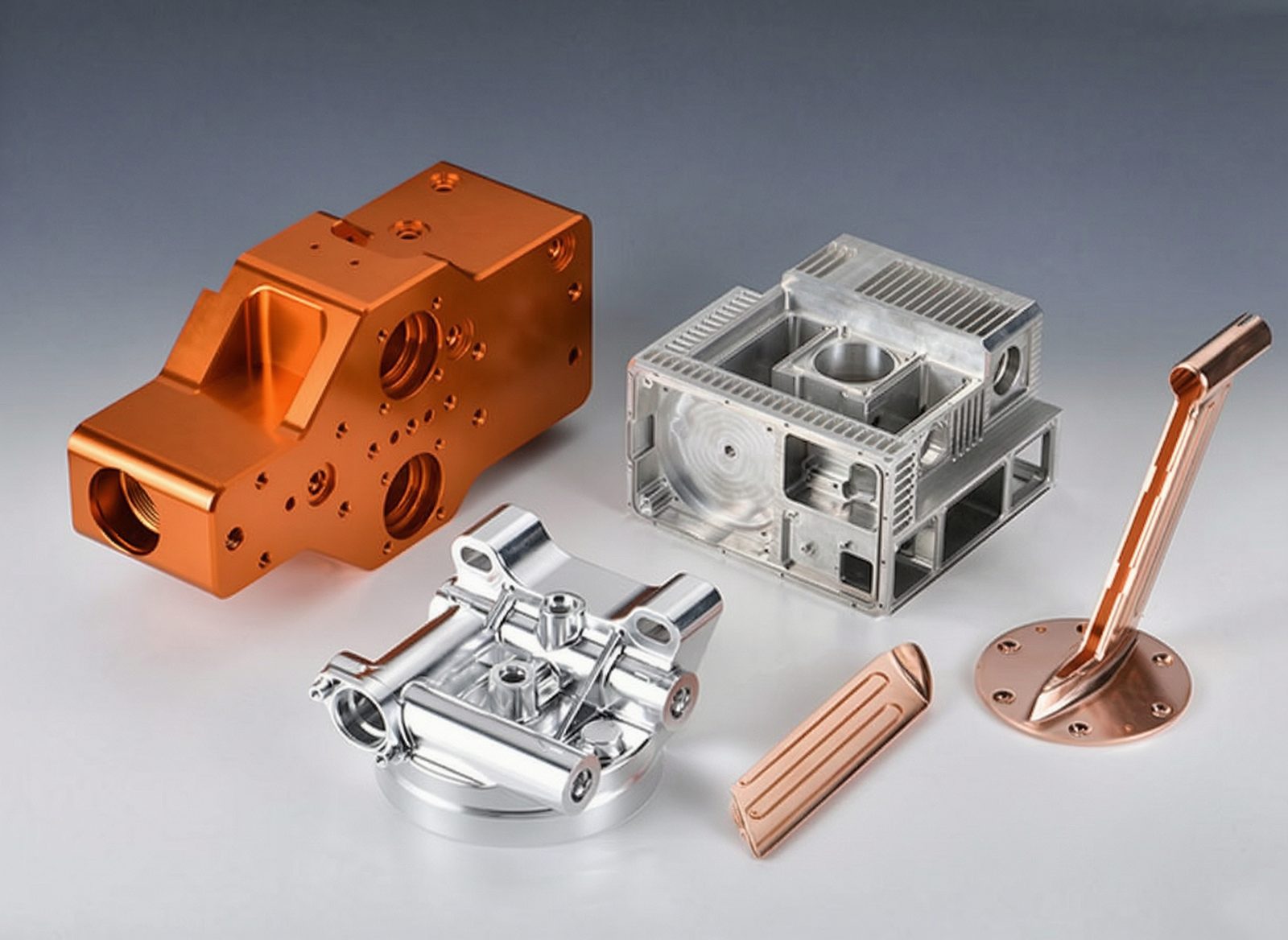
Copper (C1100) roughly doubles aluminum's thermal conductivity but triples weight and machining time — channels load cutters and demand rigid fixturing and sharp, high-rake tooling. Aluminum 6061 machines fast, anodizes for corrosion resistance, and suffices for many GPU-adjacent plates. Hybrid designs — copper inserts in aluminum bodies — are often the rational compromise.
Flatness is the real specification
Thermal interface performance lives or dies on contact. We grind or fly-cut sealing and die-contact faces to 0.005 mm-class flatness and verify on CMM — a flat plate with average channels beats a wavy plate with perfect channels.
Leak-tightness as a process, not a test
Friction-stir or vacuum-brazed closures, machined O-ring grooves with controlled surface finish, and 100% pressure-decay testing on the line keep field leak rates at zero. Testing catches failures; process design prevents them.